
.avif)
Designing for Longevity - Homes That Evolve with Their Owners
August 12, 2026
At Helen Green Design, longevity is at the heart of how we approach every project. A well-designed home should not only respond to how its owners live today but adapt effortlessly as life changes. Designing with flexibility, foresight and sensitivity allows interiors to grow and evolve, remaining relevant for years to come.
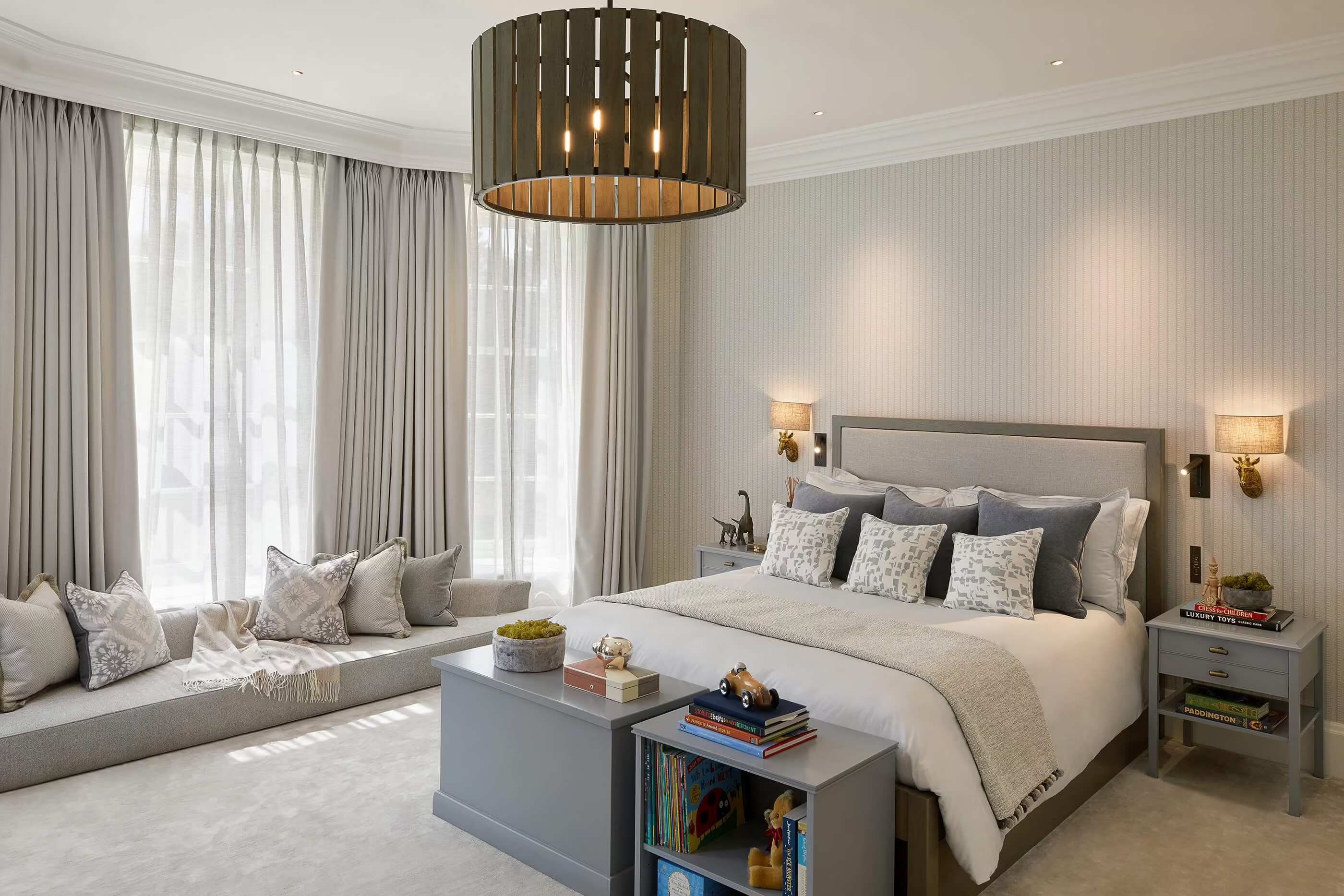
This approach is particularly important when designing family homes for clients with young children. The challenge is to create spaces that feel welcoming, playful and practical without becoming overly themed or age specific. Rather than designing “children’s interiors”, we focus on creating rooms that work equally for a toddler, teenager and ultimately, an adult.
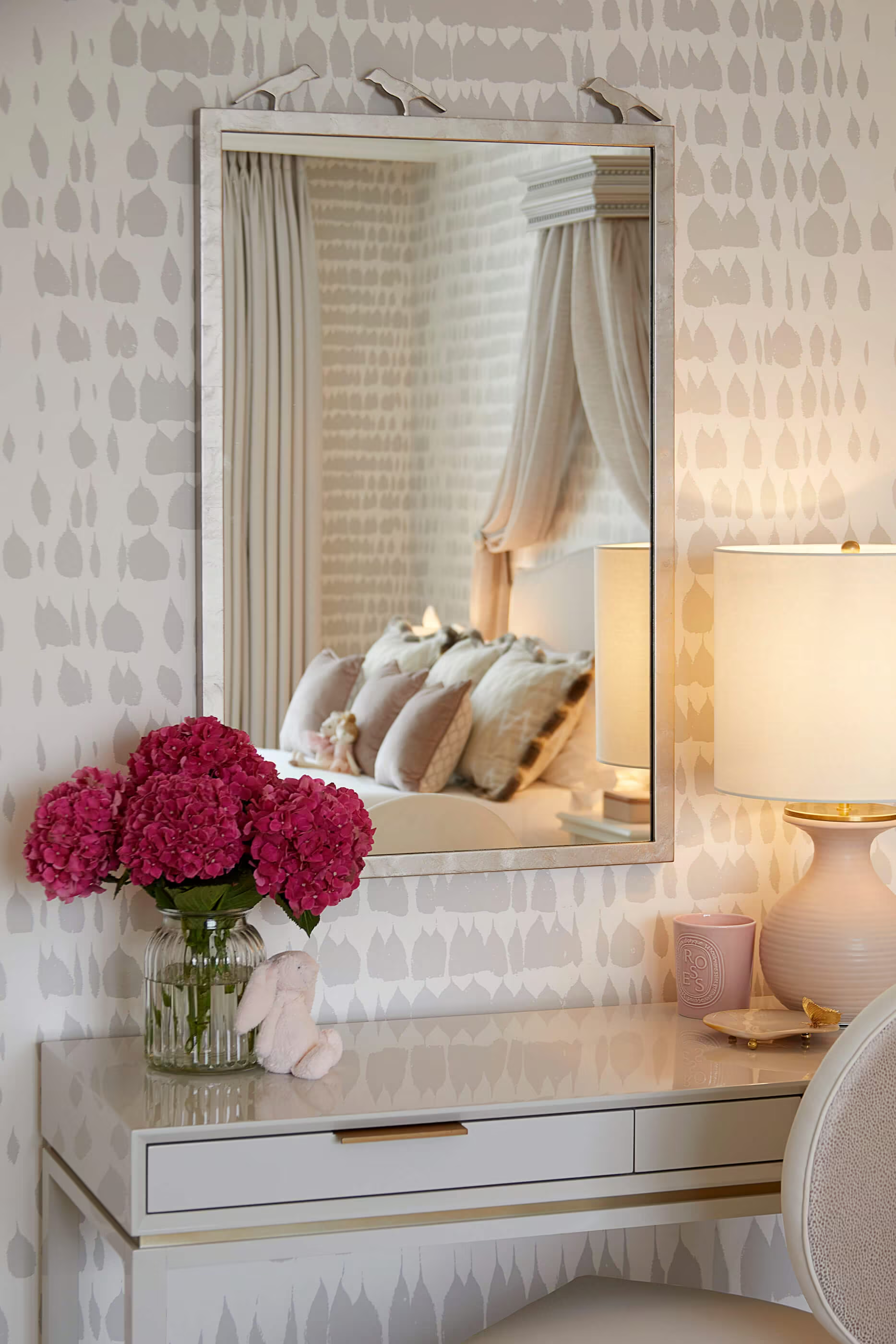
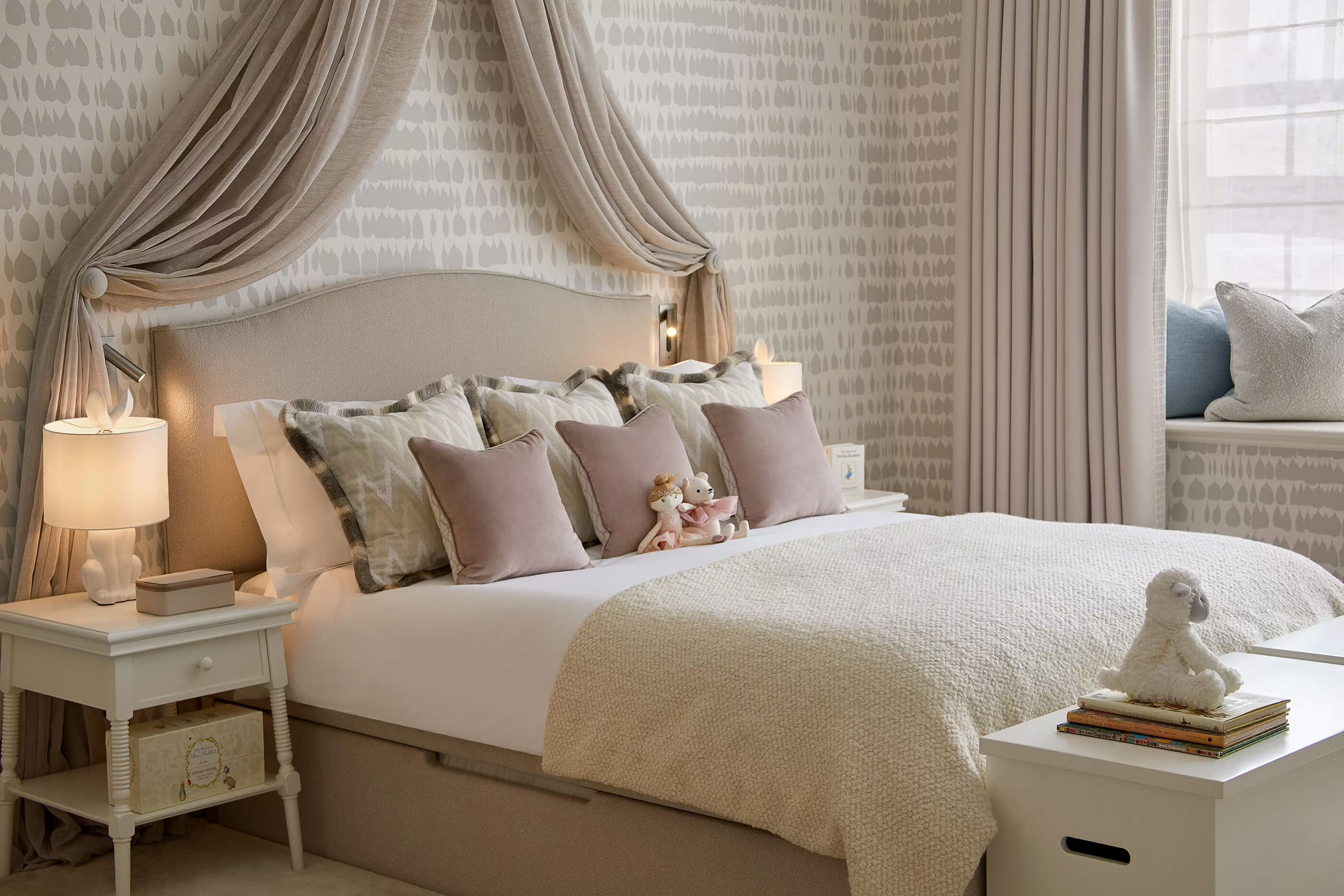
A neutral, timeless base forms the foundation. Walls, floors and key pieces of furniture are kept calm and enduring, allowing colour and character to be introduced through accessories, textiles and artwork. These elements are easy to update over time, enabling a room to subtly evolve as children grow. Soft furnishings, rugs, lampshades and decorative pieces can be refreshed without the need for major changes, ensuring the space never feels dated or restrictive.
Pattern plays an important role in this process. We favour designs that feel classic yet expressive; stripes, geometrics and organic motifs that are engaging for a young child but sophisticated enough to carry through into teenage years. The result is a room that feels playful without being babyish, designed with longevity firmly in mind.
Designing for evolution extends beyond children’s spaces. Flexible planning is equally important in homes where lifestyles may shift overtime. In a Grade II listed apartment, the brief came from client who rarely entertained but wanted the option to host guests when needed. The apartment featured a grand entrance hall, rather than treating it purely as a transitional space, we reimagined it as a flexible setting for entertaining.
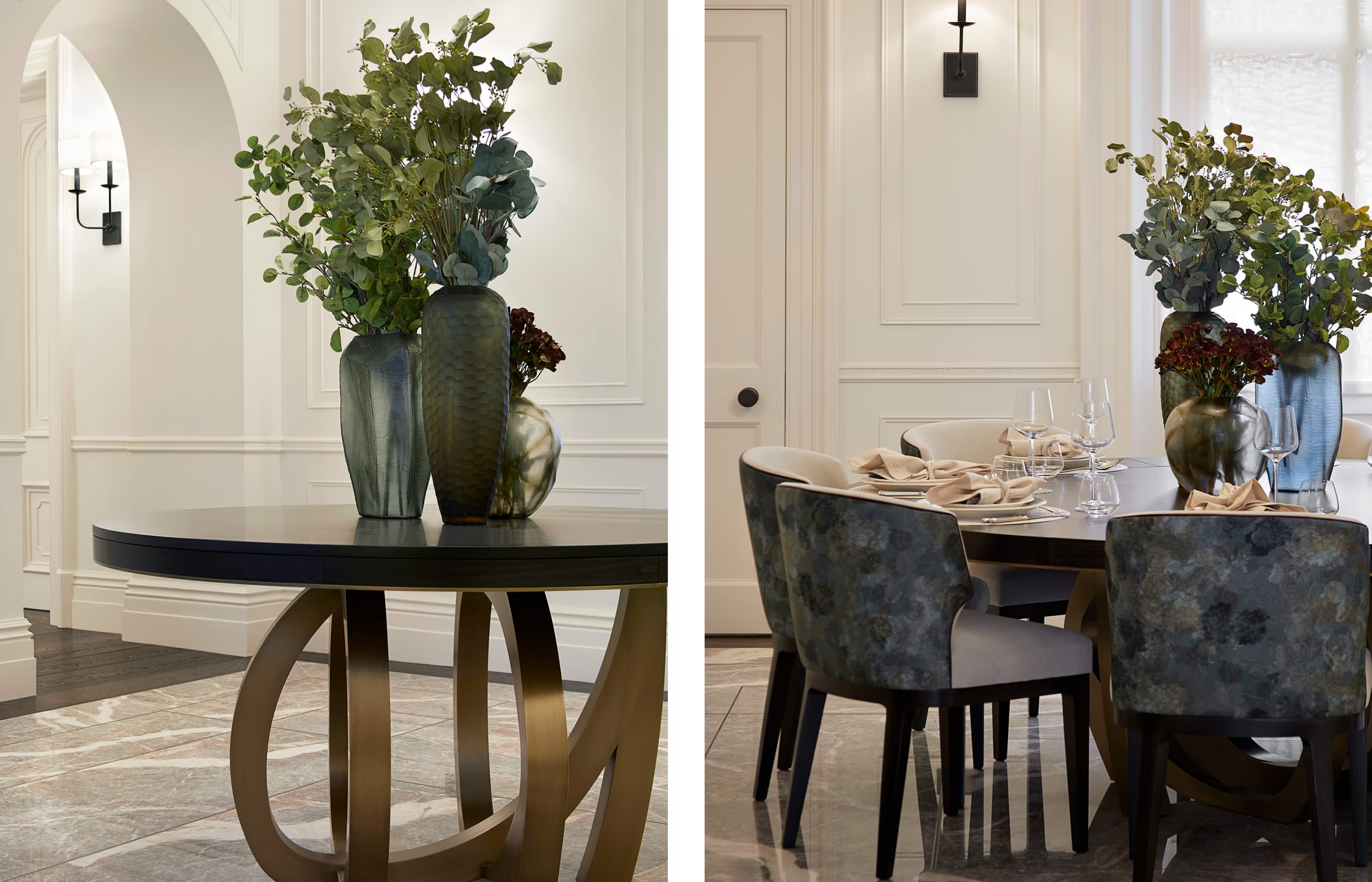
A bespoke central table was designed to adapt to the client’s needs, expanding to seat up to eight people when required while remaining elegant and unobtrusive day to day. The surrounding design reinforced this sense of movement and adaptability. A marble floor with an inlaid pattern was carefully designed to echo the idea of expansion and contraction, visually reflecting growth and flexibility within the space.
These thoughtful, layered solutions allow homes to respond naturally to their owners’ lives, whether that means accommodating a growing family, changing routines or occasional moments of celebration. By designing with longevity in mind, interiors feel purposeful rather than prescriptive, supporting the way people live without limiting how they may live in the future.
At its core, designing for longevity is about restraint, intelligence and foresight. It is about creating spaces that are adaptable, timeless and deeply considered resulting in homes that grow with their owner sand continue to feel relevant, meaningful and beautifully resolved over time.