
Allect Design Group hosts annual Key Note 2026
.avif)
September 16, 2026
When we work in a new city, we like to spend time getting to know what surrounds the project. Exploring the architecture, art, materials, food and everyday culture gives us a much richer understanding of a place and often provides the most unexpected sources of inspiration.
On a recent visit to Bangkok, DIB caught our attention. Part contemporary art museum, part thoughtful exercise in adaptive reuse, it is an interesting example of how architecture, art and a sense of place can come together.
Housed within a former 1980s steel warehouse, the building has been transformed by Kulapat Yantrasast of WHY Architecture in collaboration with A49. Rather than starting again, the design works with what was already there, retaining elements of the original industrial structure alongside exposed concrete pillars and traditional Thai-Chinese window grilles. There is a sense of history within the building that gives the contemporary interventions something to respond to, rather than simply providing a blank canvas.
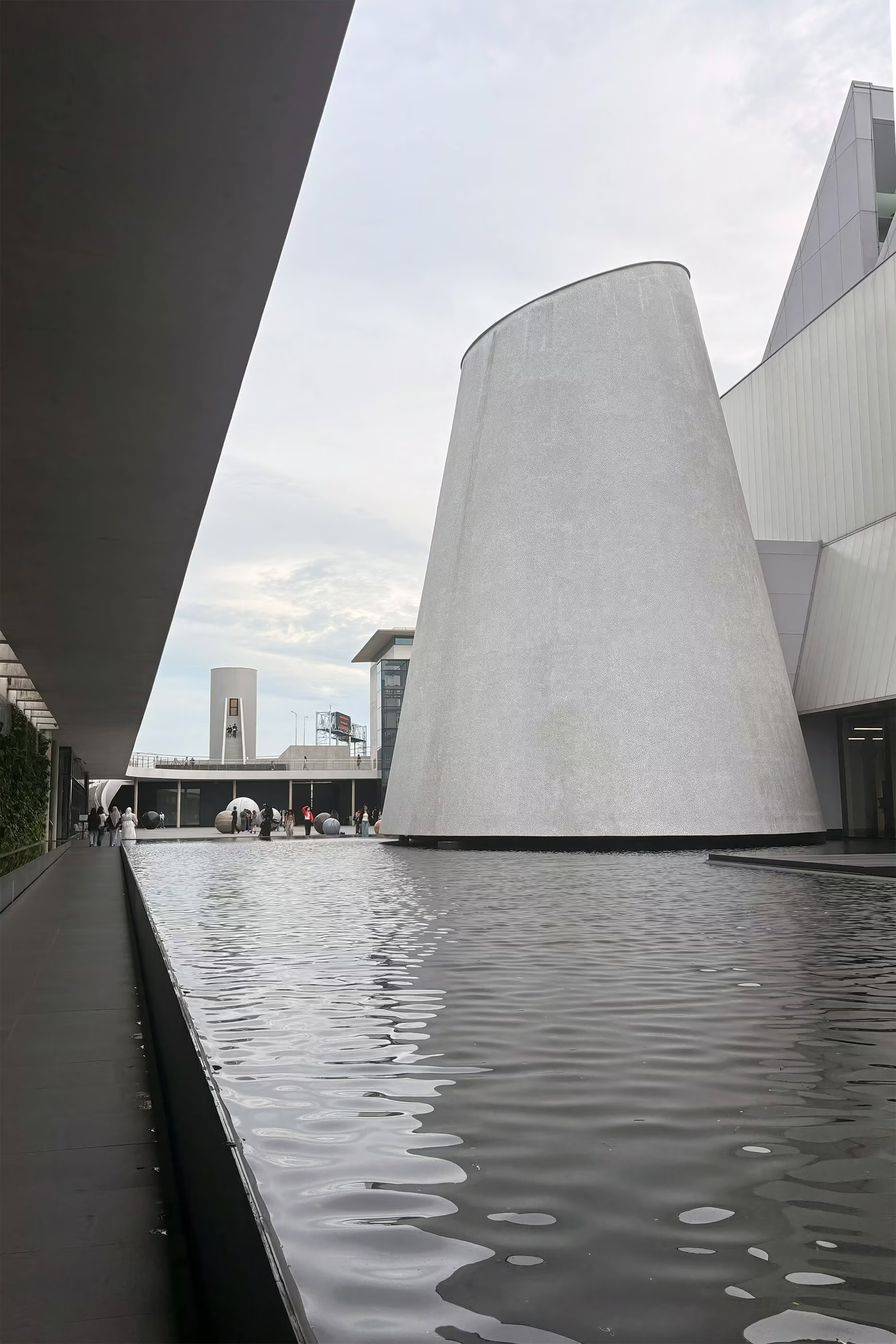
What impressed me most was the way the architecture shapes the experience without ever announcing itself. Moving through the museum, the spaces gradually change in scale, light and atmosphere. The lower level feels more grounded and industrial, while the upper galleries become lighter and more open, with daylight filtering through the sawtooth roof. It is a progression that feels natural rather than staged, encouraging you to slow down as you move through the building.
There are moments that quietly steal the show. A central courtyard provides a welcome pause between the galleries, while The Chapel, a conical gallery wrapped in mosaic tiles, creates an unexpectedly intimate space for viewing contemporary art. An outdoor sculpture garden and the changing relationship between the galleries and the existing structure add further rhythm to the experience.
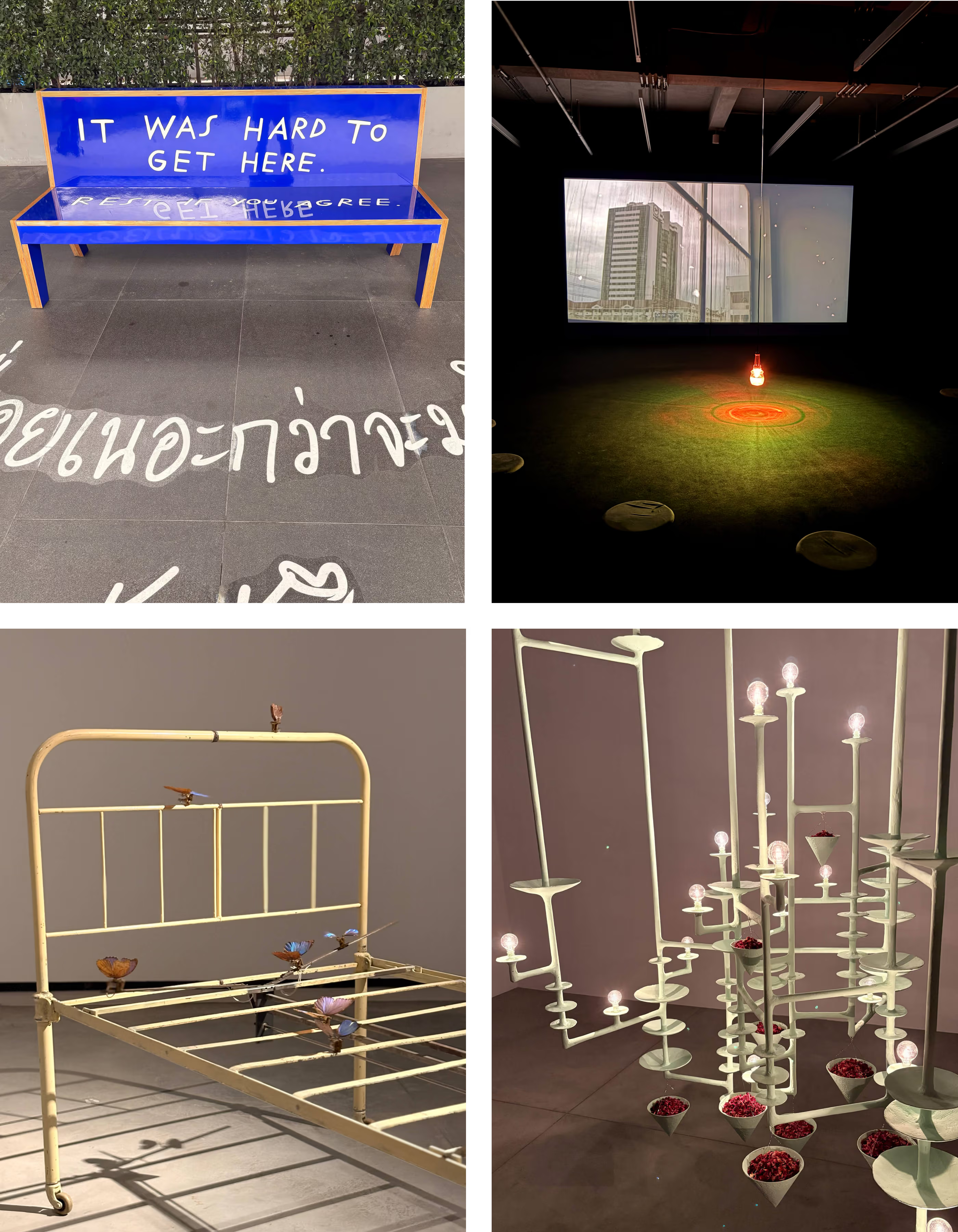
The collection brings together almost 70 years of modern and contemporary art, with local and international artists represented alongside one another. This breadth gives the museum a sense of continuity, rather than feeling like a collection built around a handful of headline works. Painting, sculpture, installation and other forms of contemporary practice are given space to breathe, allowing the building and the work to have a conversation with one another.
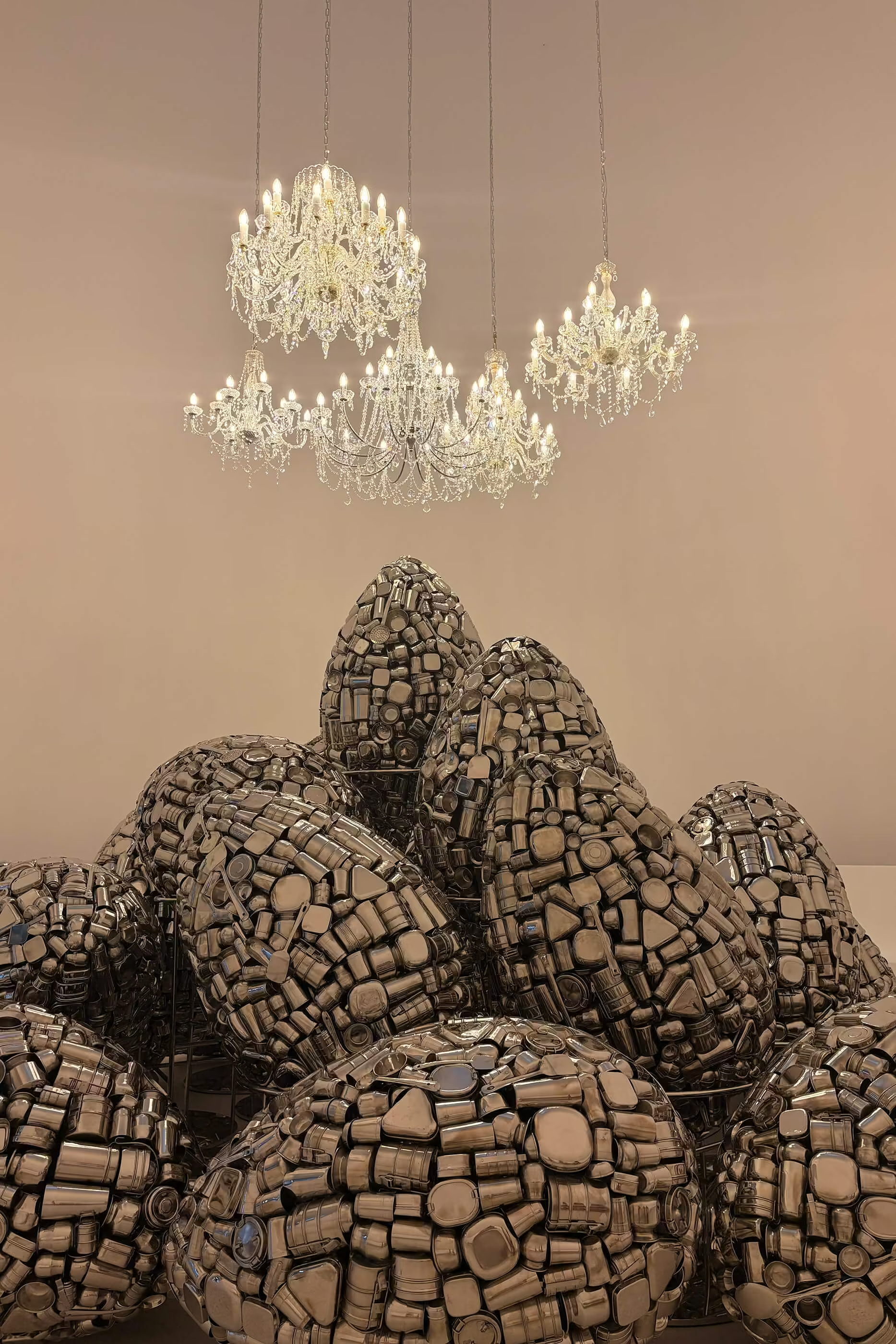
What stays with me is how comfortably the architecture and the collection coexist. Neither dominates the other. The building has enough character to be memorable, but it doesn't compete with the art, while the collection brings energy and purpose to the spaces around it.
For architects and designers, DIB is a compelling example of adaptive reuse done with confidence. It shows how retaining the character and memory of an existing building can create something with far more depth than simply starting from scratch.

Allect Design Group hosts annual Key Note 2026
or use the form below;